Aton Engenharia
About the company
Aton Engenharia is an engineering and technology firm focused on industrial solutions, automation, energy systems, and high-performance safety platforms. At Aton, I work on SAFFIRA, an AI-powered forest fire monitoring and detection system.
An ongoing journey
As a Full Stack Software Engineer, my role has been to contribute to the evolution of the entire platform. I've contributed to the transition to an event-driven edge sync model, optimized media compression systems using FFmpeg, and introduced dynamic schemas to isolate tenant environments.
I joined Aton in early 2023 as an intern within the Research & Development (R&D) division during the earliest phases of SAFFIRA. The product had been in active development for less than a year when a sudden departure of senior engineers left a critical gap in our team. Our engineering crew was downsized to a single senior developer, a mid-level engineer, and three eager interns. In this lean, high-stakes setup, formal boundaries dissolved immediately. There were no rigid role descriptions; instead, we functioned like an experimental lab. Drawing on some of my prior coursework and personal experience in design, I stepped up to wireframe and design the initial user interfaces for Saffira until we could bring a dedicated designer onboard.
Those early months were defined by a raw startup energy, heavily anchored in our local office in Salvador, Bahia. Before transitioning to a fully remote model, that workspace was our shared creative hub. We would gather around whiteboards to dissect system bottlenecks, debate data pipelines, and sketch out UI wireframes—often sharing snacks and coffee while troubleshooting critical production bugs. That physical collaborative loop established a culture of absolute alignment and fast, consensus-driven engineering.
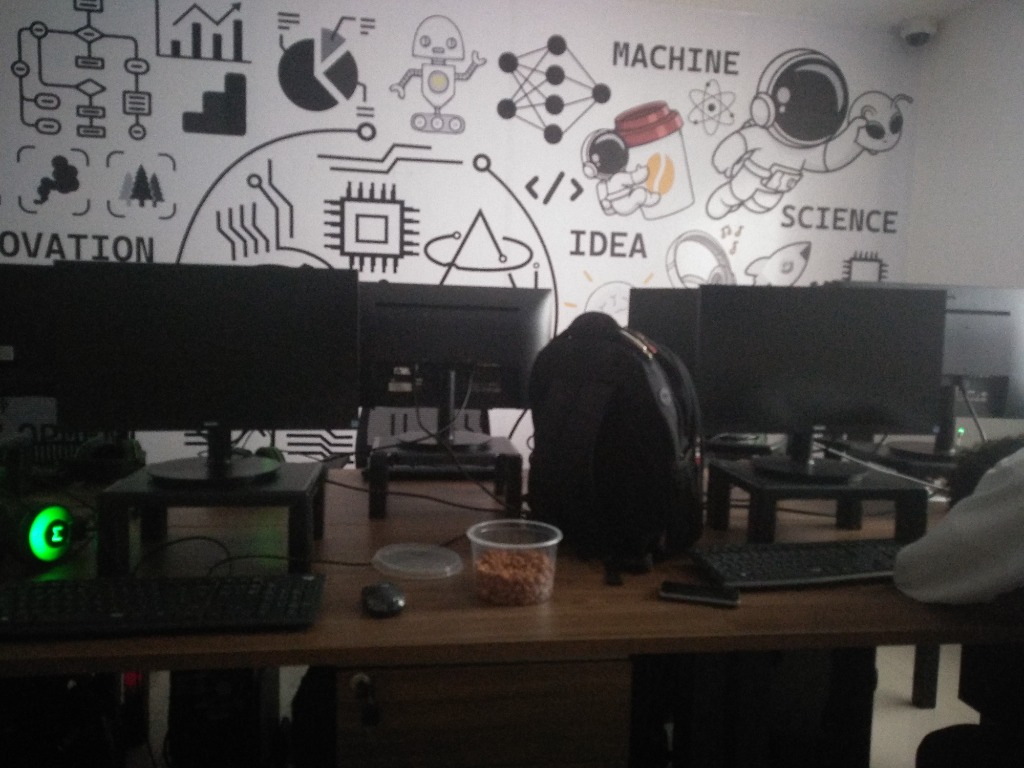
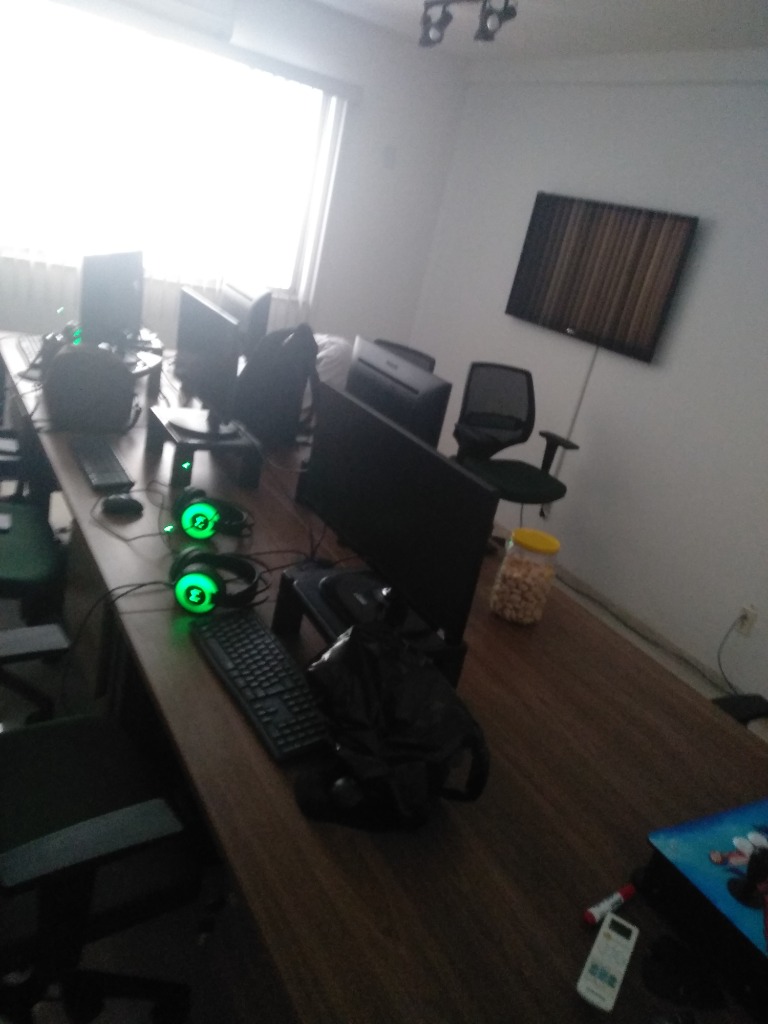
Our old physical office space where we ate snacks and brainstormed new features.
Even today, as SAFFIRA has matured into a robust enterprise platform monitoring millions of hectares, our team retains that multifaceted DNA. We don't just write feature code; we actively build distributed pipelines, design staging environments, write DevOps scripts, and handle quality assurance. Operating across these multiple layers taught me how to learn autonomously, test rigorously, and build high-performance systems from the ground up—an invaluable, cross-functional perspective that has shaped how I approach software design.
This multifaceted background was precisely what prepared me to tackle the platform's most intricate engineering challenges. Below, I've highlighted some of the core initiatives I led during my time at Aton.
Cases deep dive
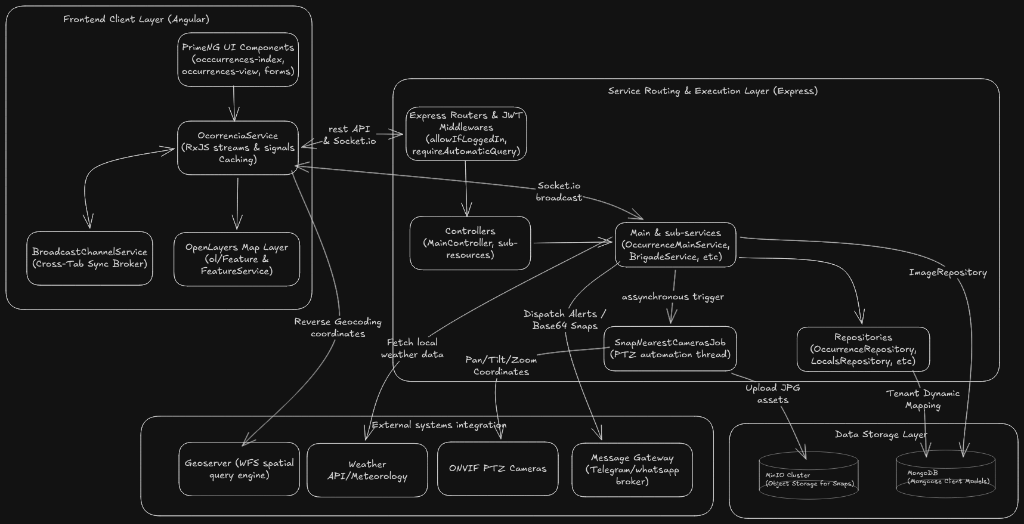
Designing the Core Occurrences & Automation Flow→
Overhauling incident registration, WFS GIS mapping schemas, ONVIF PTZ camera automations, and thread-safe atomic writes.
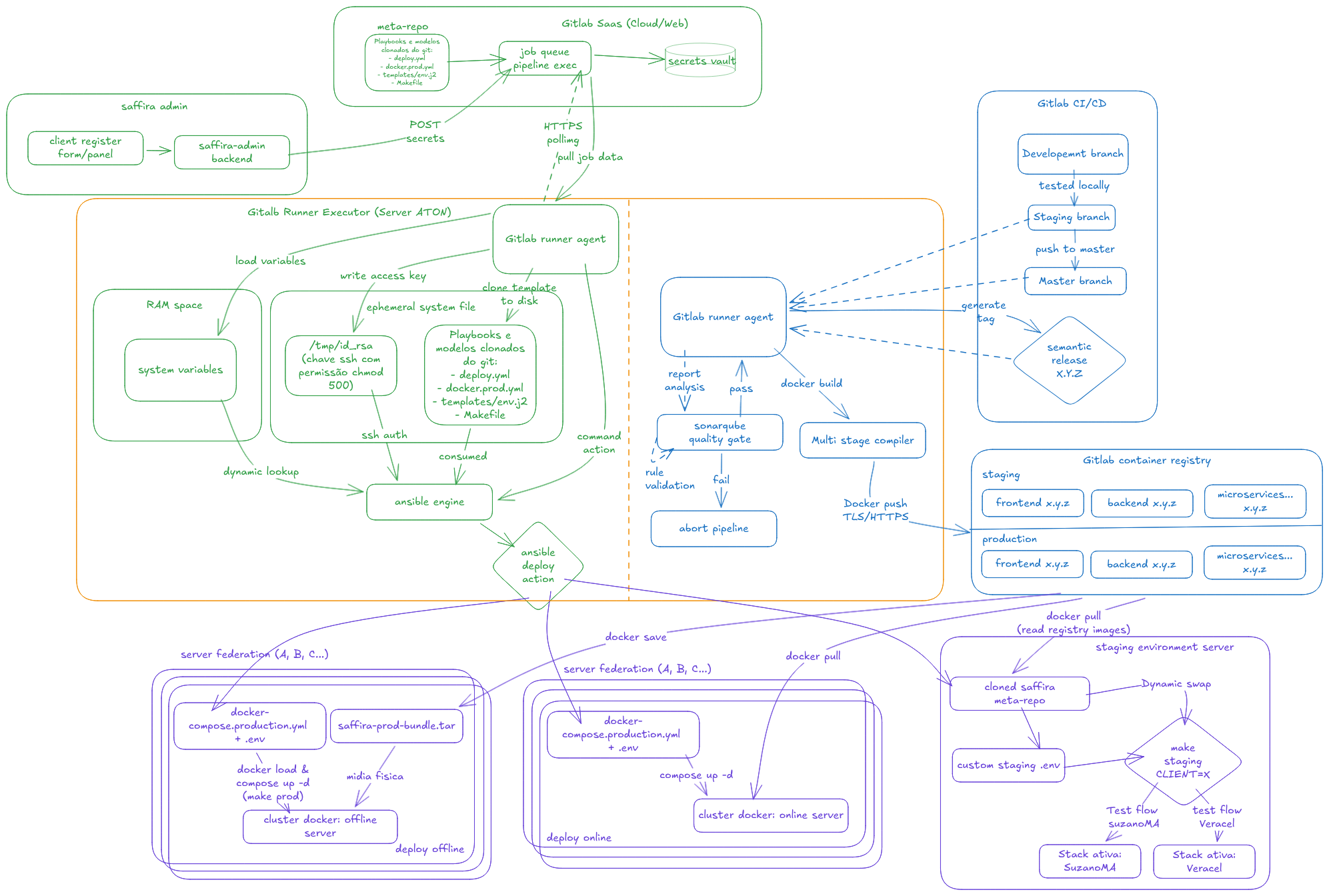
Designing the Automated Delivery & Infrastructure Engine→
Building a declarative GitOps pipeline for Saffira container releases, ephemeral staging multi-tenancy, and air-gapped customer provisioning loops.
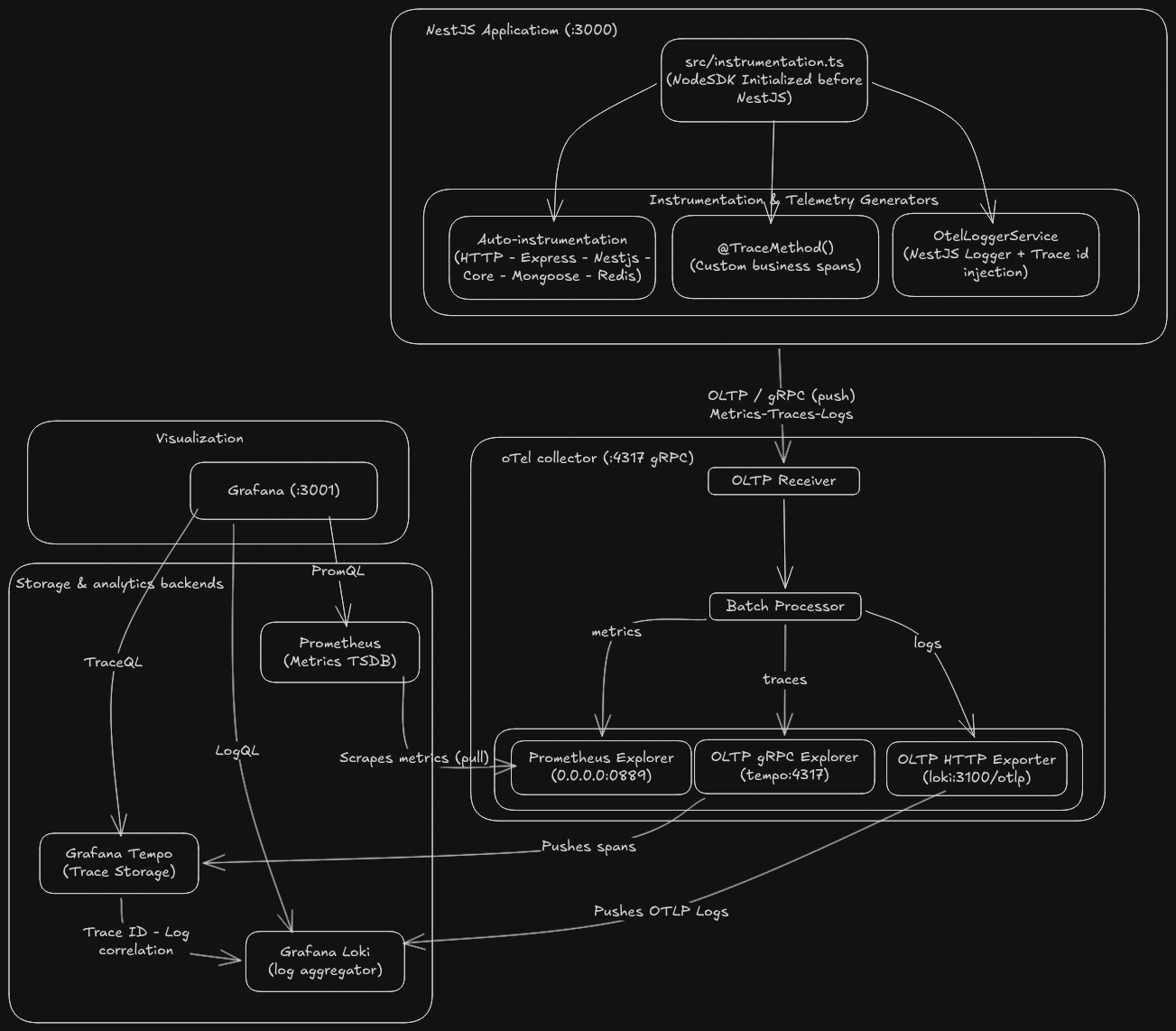
Building the OpenTelemetry & Observability Stack→
Architecting unified Metrics, Traces, and Logs for Saffira Admin with OTel SDK, Collector pipelines, Tempo waterfalls, Loki correlation, and a 3-tier Grafana dashboard.
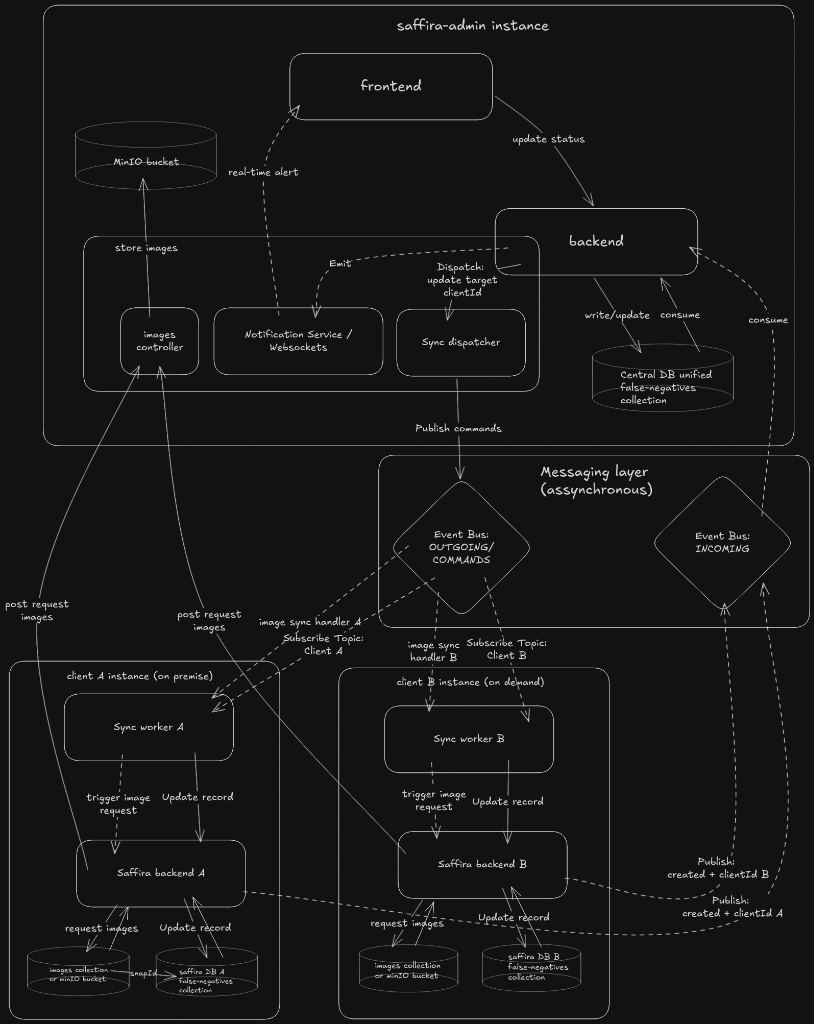
Cross-Tenant False-Negatives Pipeline & Media Sync→
Architecting an asynchronous multi-tenant false-negative reporting pipeline with FFmpeg video transcoding, BullMQ Redis message queues, and cross-cluster MinIO presigned media sync.
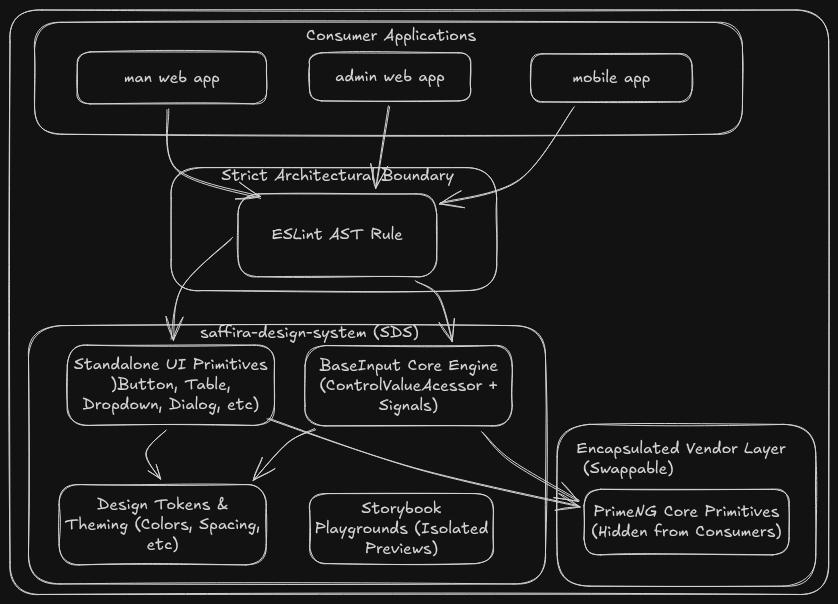
Saffira Design System: Standardizing Our UI Architecture→
How we evolved from legacy Bootstrap and ad-hoc SCSS overrides to PrimeNG, and built reusable component wrappers into an independent design system library to power multiple apps across the company.
Engineering notes
Some optimizations in Saffira represent targeted architectural improvements that, while smaller in scale, provide critical UX and reliability enhancements:
Cross-tab window synchronization via BroadcastChannel ↗
Web APIs / Synchronization
Implementing a client-side pub/sub validation system using the browser's native BroadcastChannel API to synchronize maps and alerts across multiple screens in high-density operator dashboards.
Refactoring Saffira: Moving from type-based to feature-first architecture ↗
Architecture / Folder Organization
Refactoring Saffira's front-end workspace from generic, type-grouped directories to modular, domain-driven feature folders integrated with an App Shell pattern.
Way more to come
I remain heavily involved in SAFFIRA, continually upgrading its distributed execution capabilities, streamlining testing patterns, and exploring agentic AI architectures to speed up incident classification.