Visual Systems & Interactive Design
User Research & Business Strategy
FreshFood was conceived in 2023 as a college project for an entrepreneurship class. The goal was to conduct complete design research and build a functional minimal prototype. Leveraging my prior design experience, I led the product strategy, information architecture, wireframing, and visual mockups.
Strategic Foundation
Our core model is a logistics network bringing fresh organic produce directly from local farms to urban kitchens, bundled with recipes, nutrition data, and preparation guides. Our strategic framework is structured as follows:
SWOT Analysis Matrix
| Internal Factors | External Factors |
|---|---|
💪 Strengths (Forças)
| 📈 Opportunities (Oportunidades)
|
⚠️ Weaknesses (Fraquezas)
| ⚡ Threats (Ameaças)
|
Consumer & Competitor Analysis
Our target consumer base consists of busy urban workers who have the financial capacity to invest in grocery convenience but lack the time to travel to physical markets. These customers want healthier lifestyles, seek detailed nutritional metrics, and enjoy cooking recipes for friends and family.
While large supermarket chains offer online deliveries, their scale compromises quality selection for fresh items. Conversely, local organic sellers lack customer service infrastructure and convenient mobile checkout platforms. FreshFood targets this gap by combining selection quality with digital convenience.
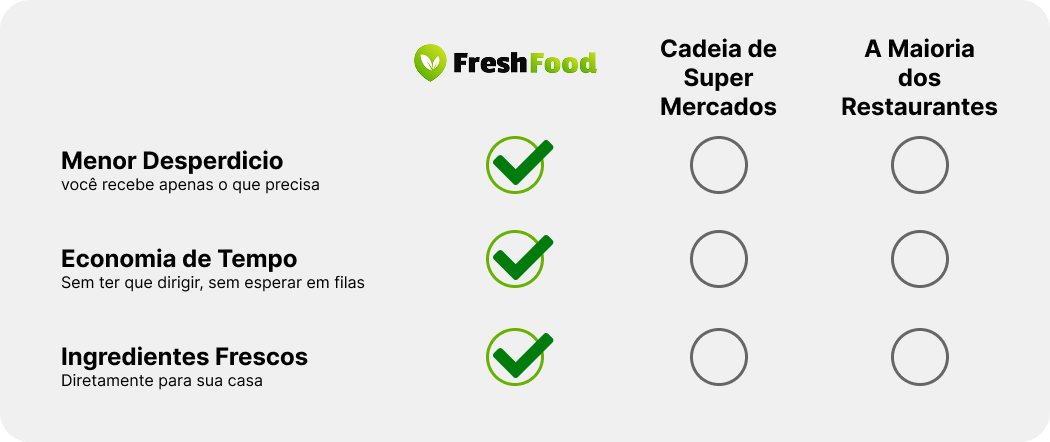
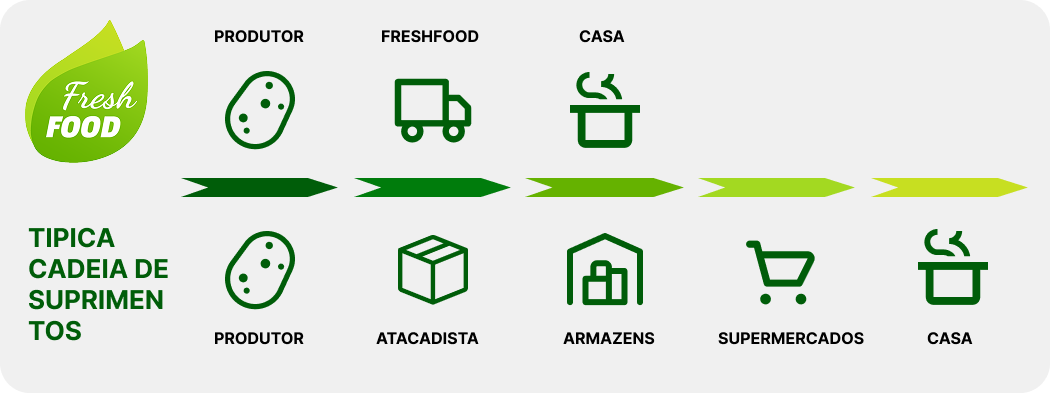
Figure 1.1: Strategic analysis diagrams detailing competitive positioning and supply disintermediation.
Lo-Fi Wireframes & Sitemap
To bridge planning and ordering, we designed a subscription model centered on custom fruit/vegetable baskets (cestas por assinatura) or pre-configured recipe-ingredient boxes. Under the monthly subscription, deliveries occur weekly on Tuesdays, while individual shopping requests are routed on demand.
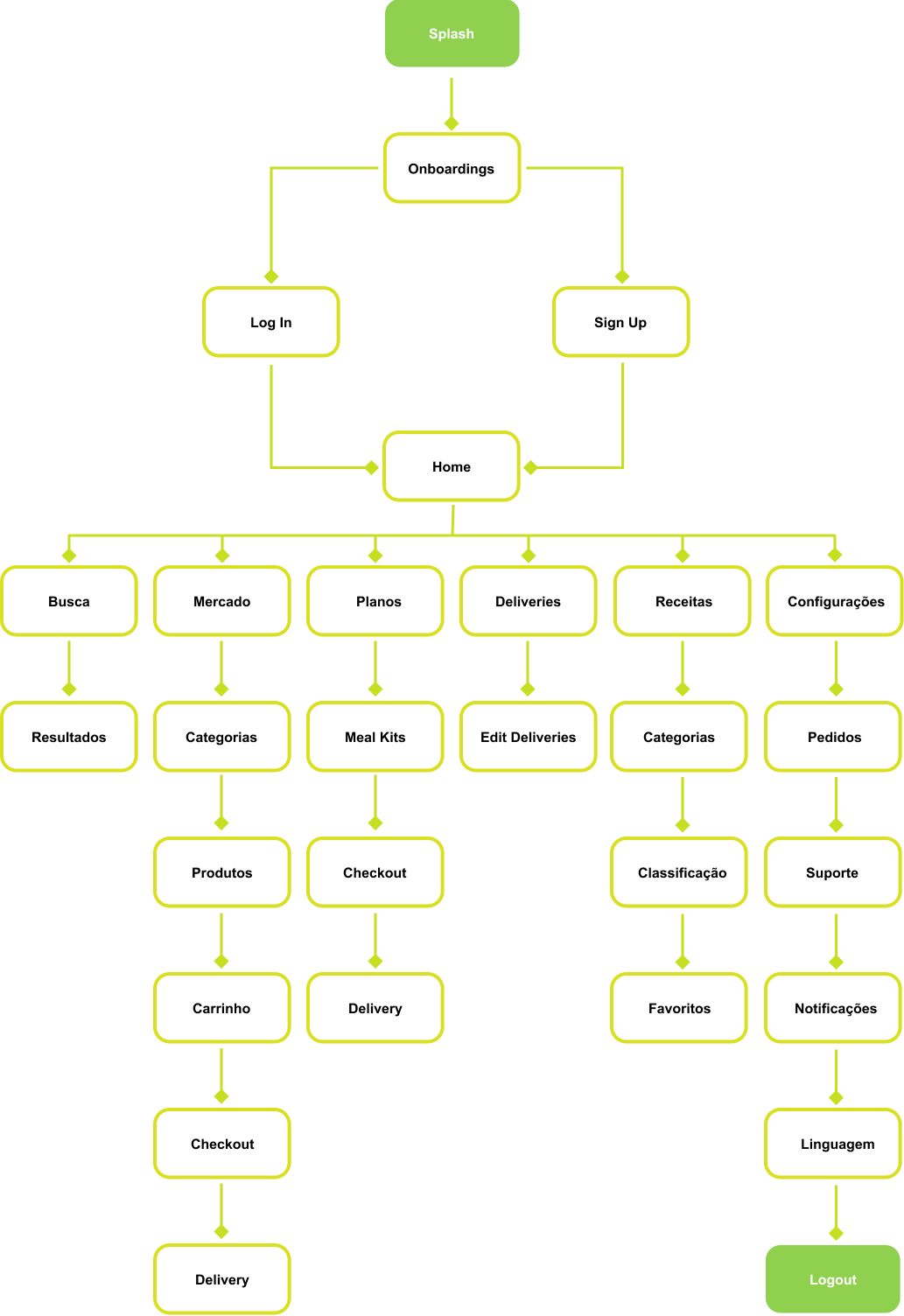
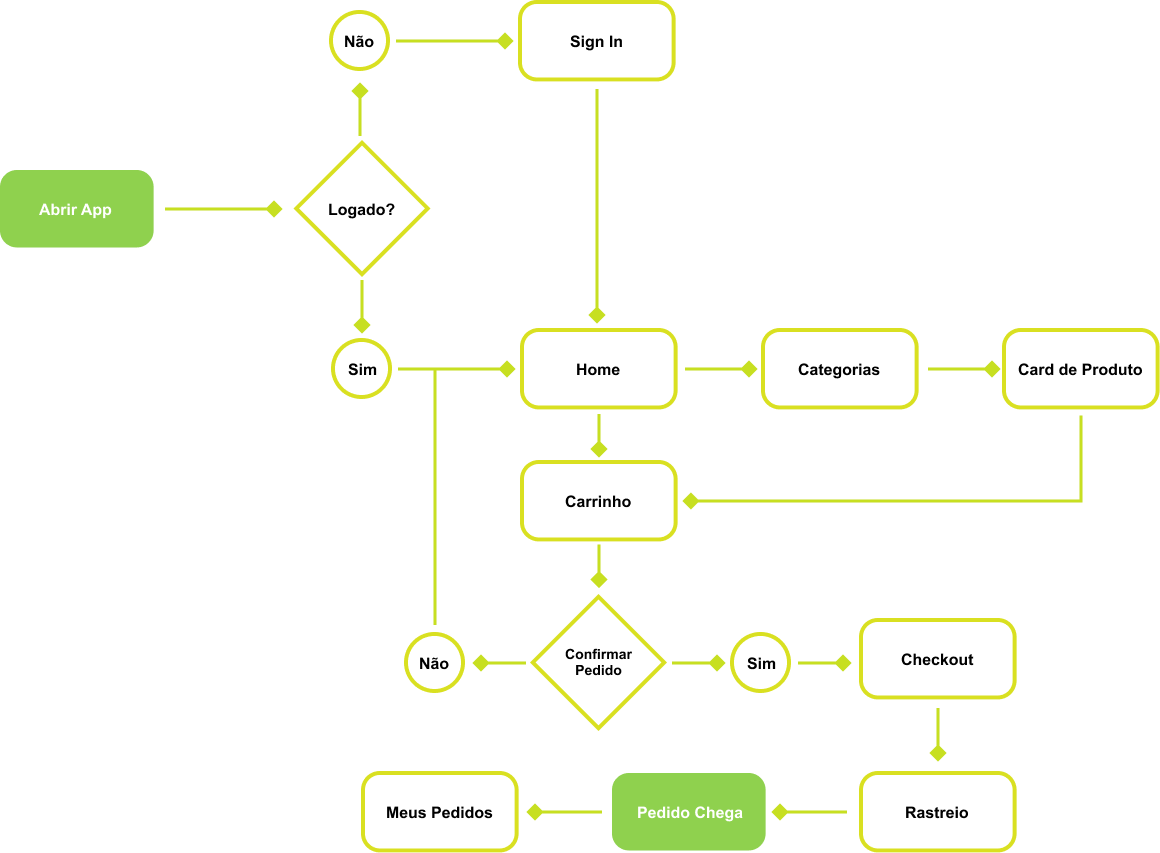
Figure 1.2: Information architecture map and consumer navigation flows.
Logistical Distribution Design
A core business decision was selecting optimal fulfillment nodes in Salvador, Bahia. We chose three industrial zones: Águas Claras, Porto Seco, and Pirajá. This choice was based on three strategic reasons:
- BR-324 Proximity: Margining the federal highway allows direct, high-speed access for regional agroecological farms delivering raw crops into our warehouses.
- Cost Efficiency: These industrial districts offer affordable warehouse leasing rates, reducing initial overhead costs.
- Urban Routing: Bypassing the downtown grid enables delivery vans to avoid Salvador's bottleneck hours (6:30 AM and 5:40 PM) by utilizing high-capacity bypass routes to speed up city-wide distribution.
High-Fidelity Interface Design
The high-fidelity interfaces are designed around Outfit typography for structural weight and Inter for detailed data fields. We established a warm charcoal dark palette with green accent highlights, mapping organic visual styles.
Below is the visual gallery containing the 9 high-fidelity mobile screens exported directly from the final Figma design file:

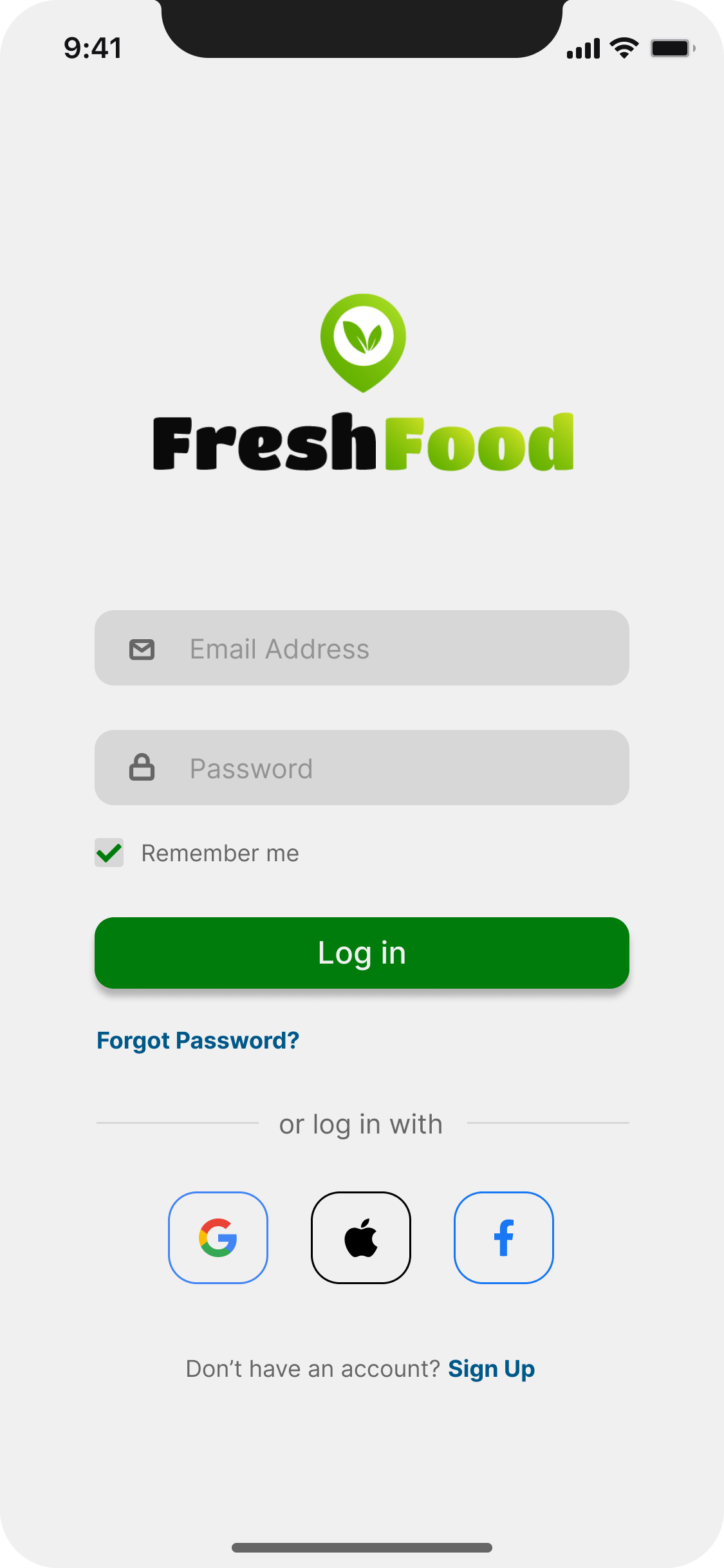
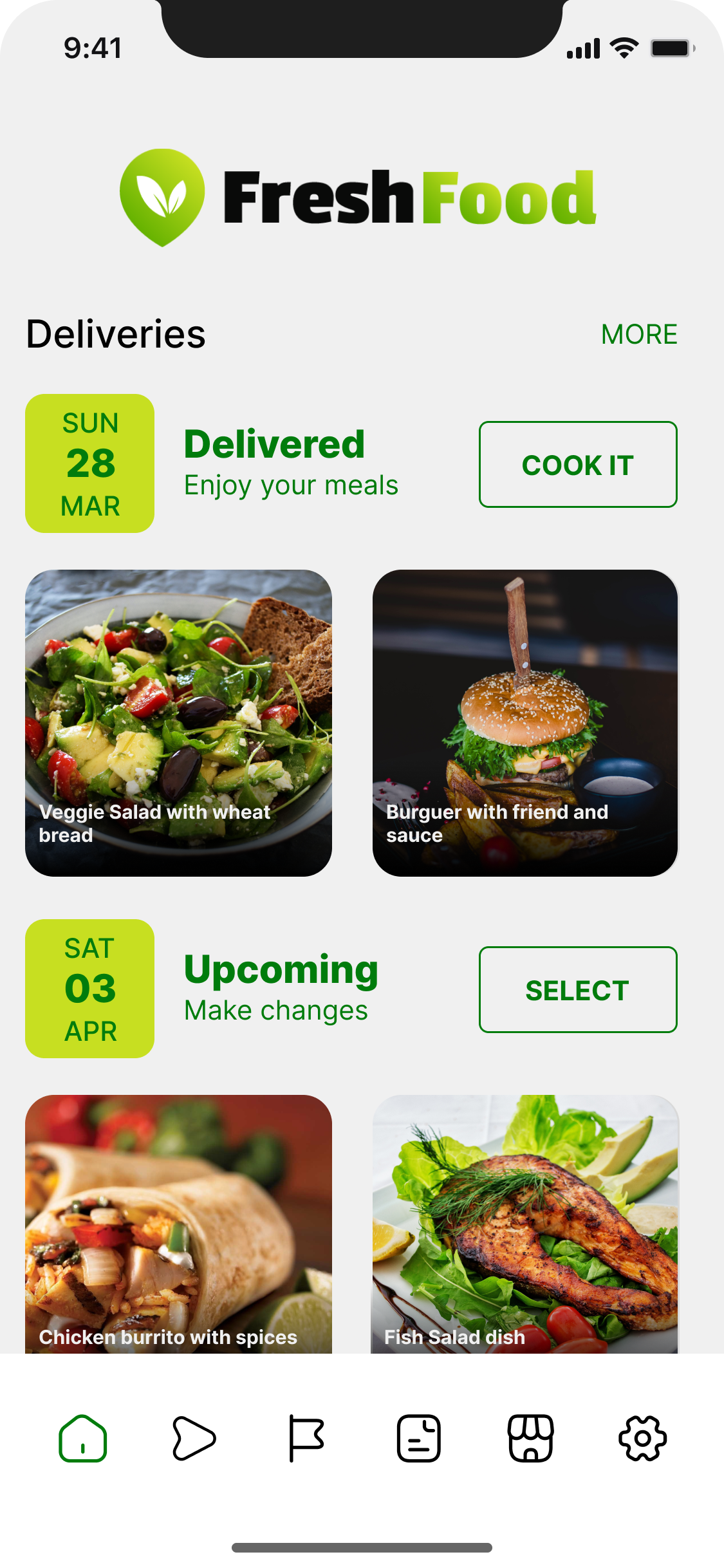
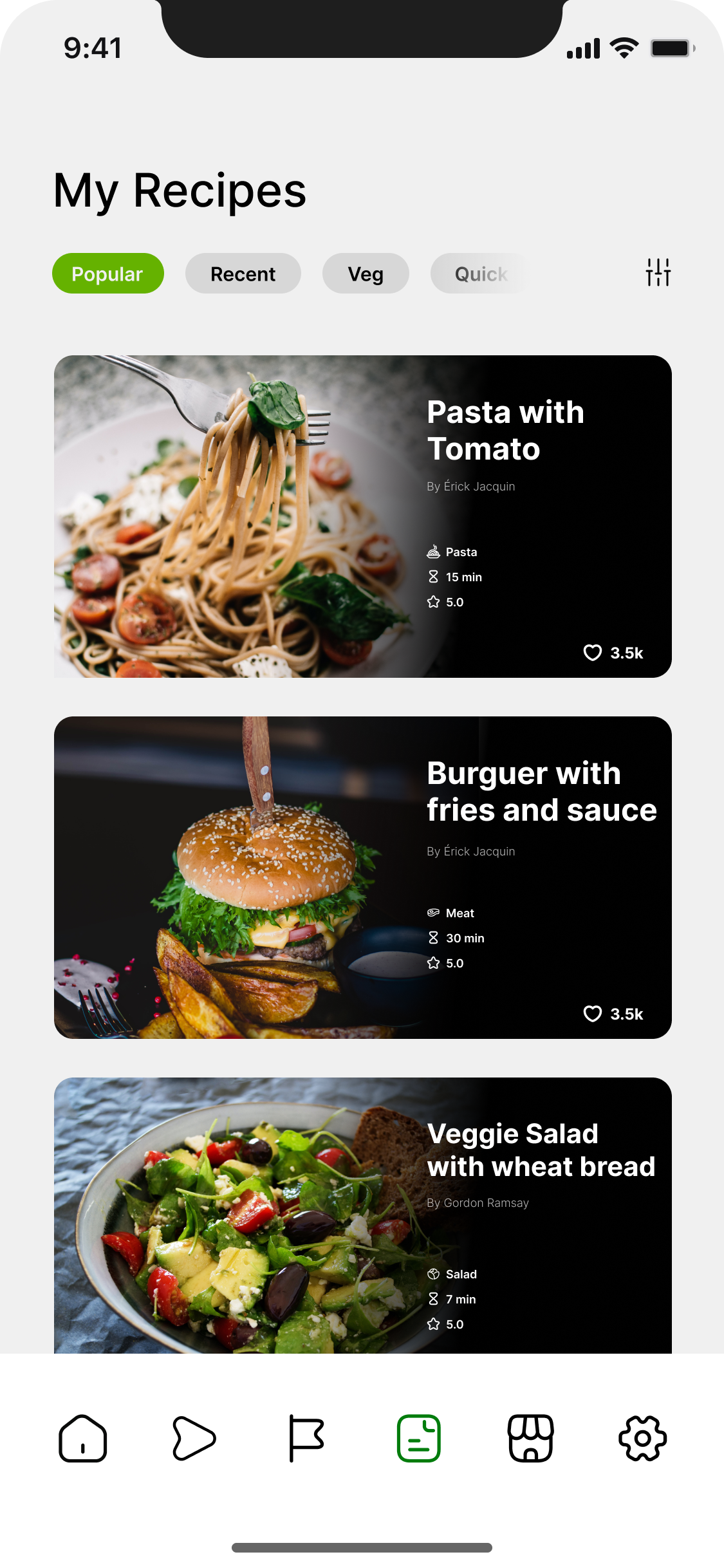
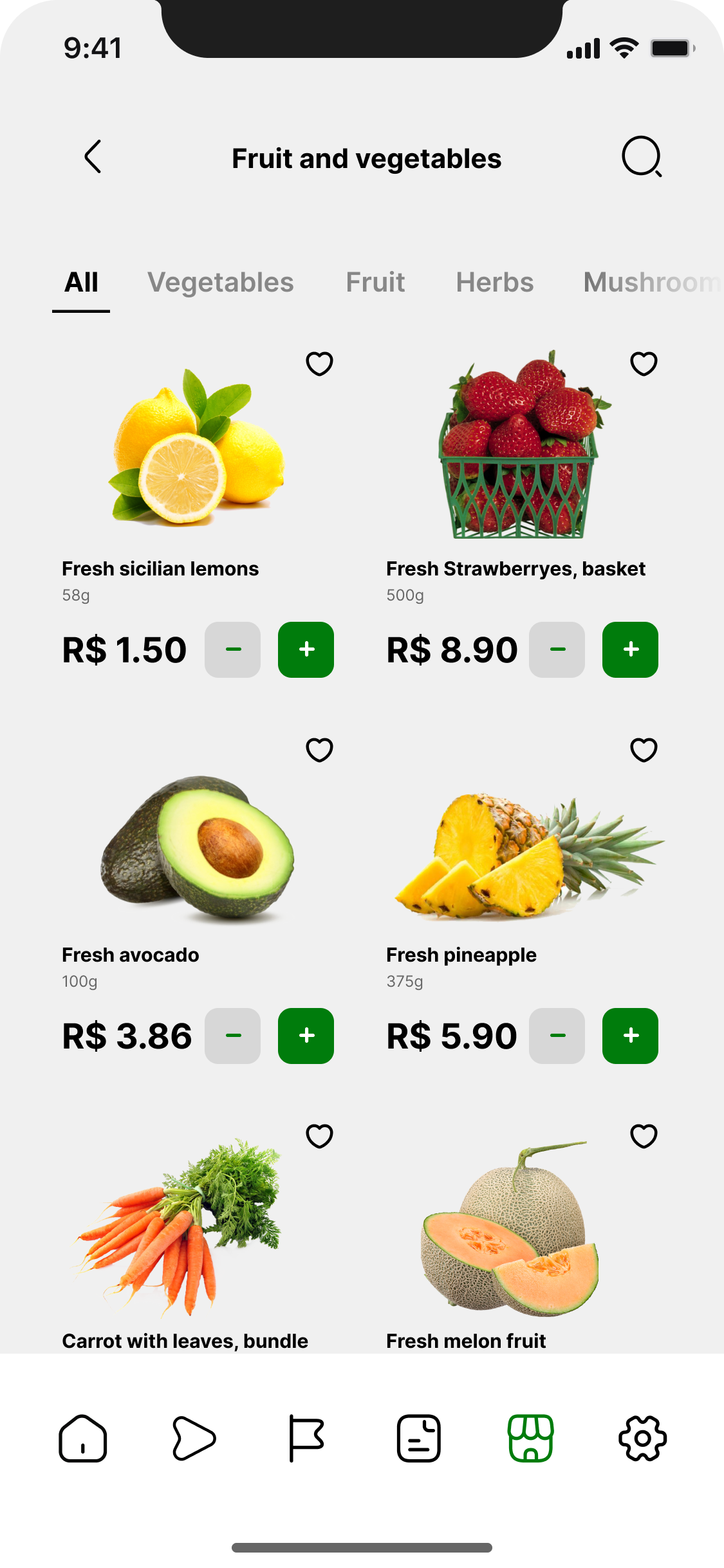
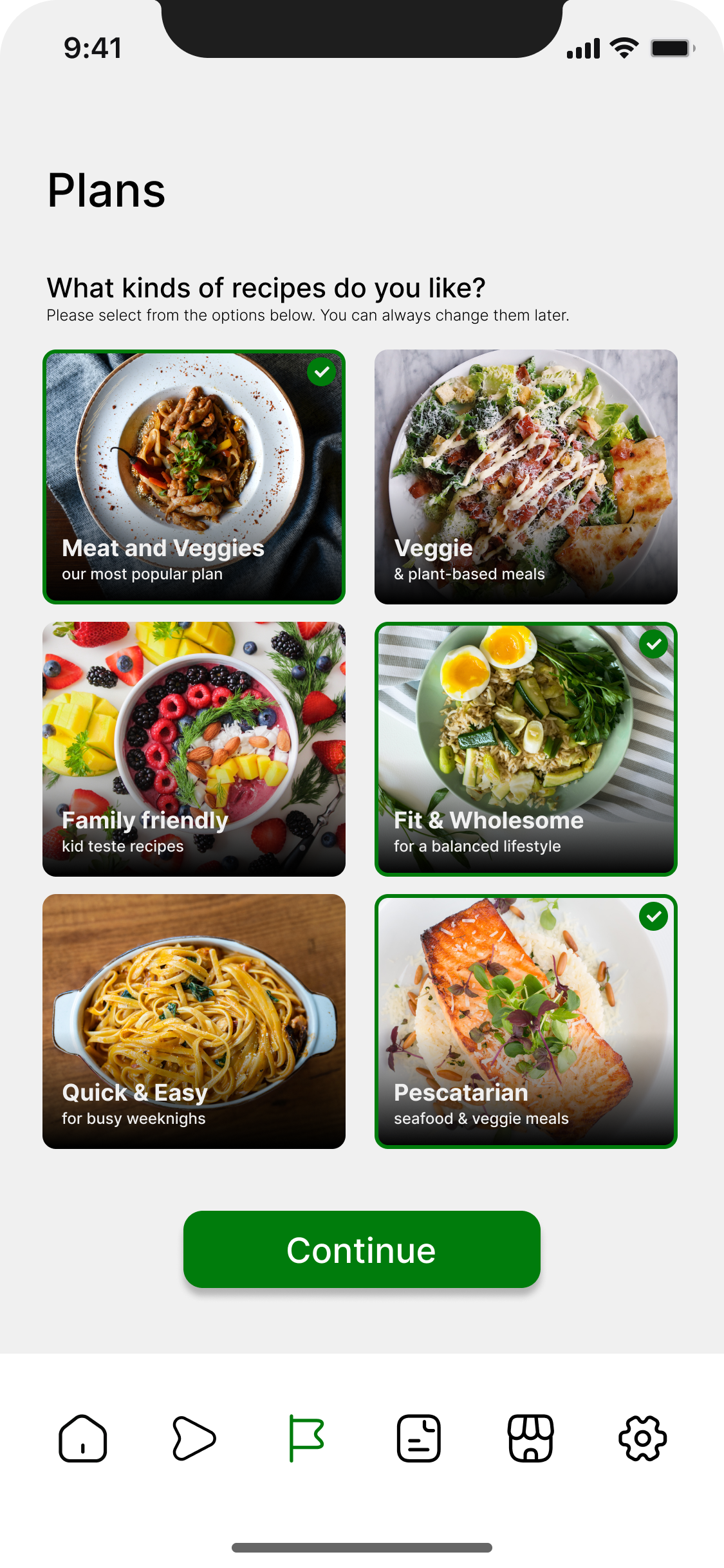
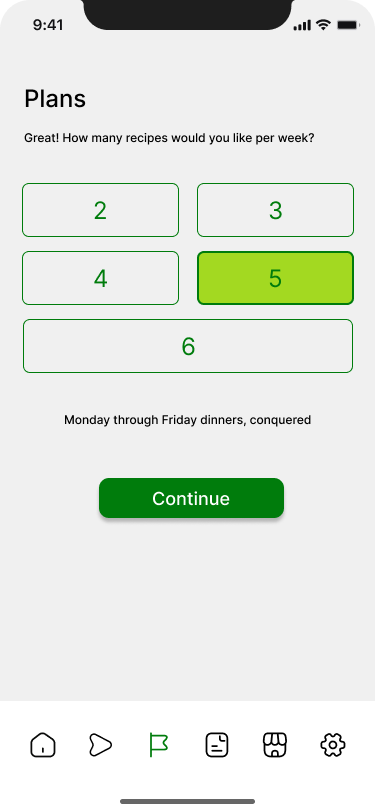
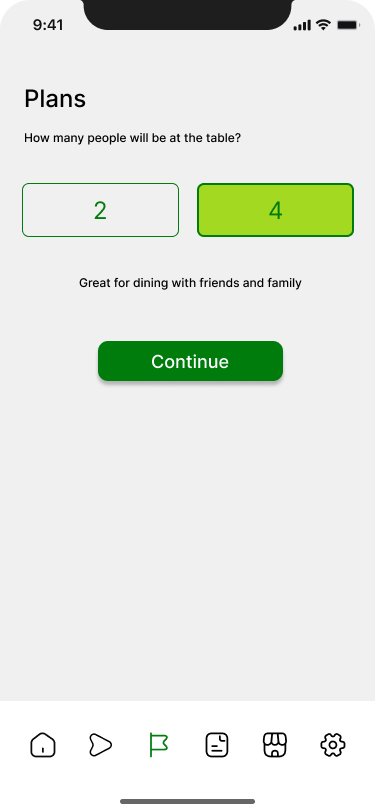
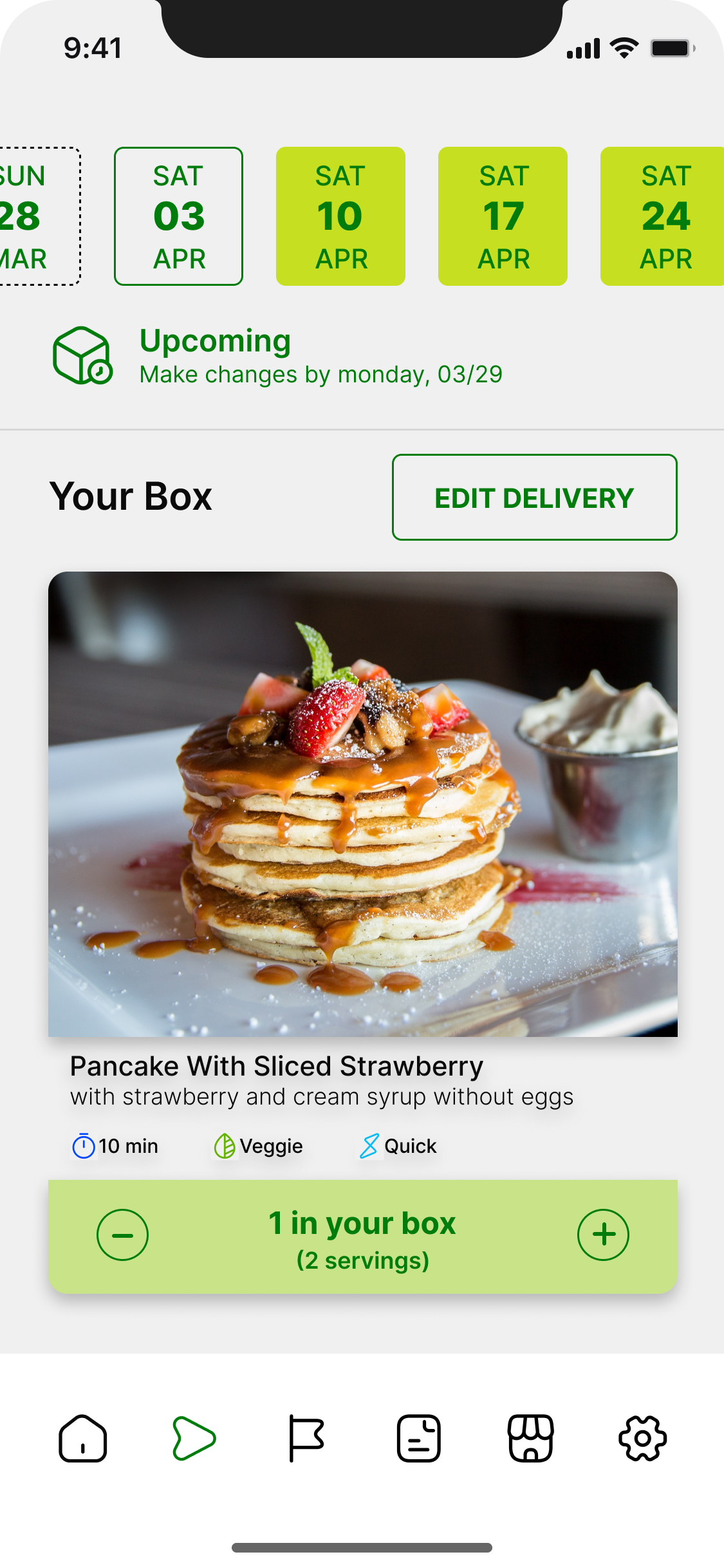
Figure 1.3: High-fidelity mobile screen catalog from welcome splash to delivery dispatch.
Usability Testing & Refinements
We conducted prototype testing with 5 potential consumers. The feedback led to three design improvements:
- Subscription Transparency: Added a quick "Skip Week" toggle in the weekly planner to reduce customer subscription anxiety.
- Quantity Controls: Replaced deep product page modals with inline quantity increment/decrement toggles directly on the checkout card, reducing checkout actions.
- WCAG AA Contrast Adjustments: Darkened brand accents to ensure a 7.1:1 contrast ratio, matching readability standards for outdoor and low-light deliveries.